Your browser does not support the video tag.
Marco Cadioli - The Whirlpool
  • © ARSHAKE | ISSN 2283-3676
  • CONTACT
  • Login
Arshake
  • ABOUT US
    • ABOUT US
    • PROJECT
    • MEDIA/PARTNERSHIPS
    • CONTACT US
  • FOCUS
    • All
    • Focus
    • From the Past
    • Interview
    Daniele Puppi. Ehi Lampu in Rome

    Daniele Puppi. Ehi Lampu in Rome

    Interview | C.I.R.C.E.

    In dialogue with Abe Pazos Solatie

    Interview | C.I.R.C.E.

    Interview | C.I.R.C.E.

    Fabrizio Cicero. This is not a light

    Fabrizio Cicero. This is not a light

    Legami by Luigi Pagliarini now at ISIA Pescara

    Legami by Luigi Pagliarini now at ISIA Pescara

    Lynn Hershman Leeson. A lecture at the Whitney Museum of American Art

    Lynn Hershman Leeson. A lecture at the Whitney Museum of American Art

    Festival della Peste at Lazzaretto Foundation

    Agnese Banti at Romaeuropa Festival 2025

    Open call: Agora, a Gathering of Art and Philosophy

    Open call: Agora, a Gathering of Art and Philosophy

    “The Impossible Present. Kaleidoscope” in Milan

    “The Impossible Present. Kaleidoscope” in Milan

  • FRAME
    FRAME > The Fall of Icarus

    FRAME > The Fall of Icarus

    FRAME > Resonant

    FRAME > Resonant

    FRAME > City

    FRAME > City

    FRAME > Magnetism

    FRAME > Magnetism

    FRAME > You Are Here

    FRAME > You Are Here

    FRAME > Gdansk

    FRAME > Gdansk

    FRAME > Cicadas

    FRAME > Cicadas

    FRAME > Dalunsch

    FRAME > Dalunsch

    FRAME > Siren

    FRAME > Siren

  • VIDEO POST
    VIDEO POST > Scribble

    VIDEO POST > Scribble

    VIDEO POST > The Prayer

    VIDEO POST > The Prayer

    VIDEO POST > Organism

    VIDEO POST > Organism

    VIDEO POST > Chiroptera

    VIDEO POST > Chiroptera

    VIDEO POST > Pluvial

    VIDEO POST > Pluvial

    VIDEO POST > PAPERS

    VIDEO POST > PAPERS

    VIDEO POST > Stranger Visions

    VIDEO POST > Stranger Visions

    VIDEO POST > Buoyant Choreographies

    VIDEO POST > Buoyant Choreographies

    VIDEO POST > Composition for Objective Sound No.7

    VIDEO POST > Composition for Objective Sound No.7

  • SPECIAL PROJECT
    • ARSHAKE’S BANNER
    • CRITICAL GROUNDS
    • YOUNG ITALIAN ARTISTS
    • GAME OVER
    • GAME OVER • Loading
    • EXTERNAL PROJECTS
      • BACKSTAGE | ONSTAGE
      • PERCORSI • 6 years of the Terna Prize
      • TEMPO IMPERFETTO
  • RESOURCES
    • ARCHIVE
    • CALLS
    • ONLINE RESOUCES
  • it IT
  • en English
No Result
View All Result
Arshake
  • ABOUT US
    • ABOUT US
    • PROJECT
    • MEDIA/PARTNERSHIPS
    • CONTACT US
  • FOCUS
    • All
    • Focus
    • From the Past
    • Interview
    Daniele Puppi. Ehi Lampu in Rome

    Daniele Puppi. Ehi Lampu in Rome

    Interview | C.I.R.C.E.

    In dialogue with Abe Pazos Solatie

    Interview | C.I.R.C.E.

    Interview | C.I.R.C.E.

    Fabrizio Cicero. This is not a light

    Fabrizio Cicero. This is not a light

    Legami by Luigi Pagliarini now at ISIA Pescara

    Legami by Luigi Pagliarini now at ISIA Pescara

    Lynn Hershman Leeson. A lecture at the Whitney Museum of American Art

    Lynn Hershman Leeson. A lecture at the Whitney Museum of American Art

    Festival della Peste at Lazzaretto Foundation

    Agnese Banti at Romaeuropa Festival 2025

    Open call: Agora, a Gathering of Art and Philosophy

    Open call: Agora, a Gathering of Art and Philosophy

    “The Impossible Present. Kaleidoscope” in Milan

    “The Impossible Present. Kaleidoscope” in Milan

  • FRAME
    FRAME > The Fall of Icarus

    FRAME > The Fall of Icarus

    FRAME > Resonant

    FRAME > Resonant

    FRAME > City

    FRAME > City

    FRAME > Magnetism

    FRAME > Magnetism

    FRAME > You Are Here

    FRAME > You Are Here

    FRAME > Gdansk

    FRAME > Gdansk

    FRAME > Cicadas

    FRAME > Cicadas

    FRAME > Dalunsch

    FRAME > Dalunsch

    FRAME > Siren

    FRAME > Siren

  • VIDEO POST
    VIDEO POST > Scribble

    VIDEO POST > Scribble

    VIDEO POST > The Prayer

    VIDEO POST > The Prayer

    VIDEO POST > Organism

    VIDEO POST > Organism

    VIDEO POST > Chiroptera

    VIDEO POST > Chiroptera

    VIDEO POST > Pluvial

    VIDEO POST > Pluvial

    VIDEO POST > PAPERS

    VIDEO POST > PAPERS

    VIDEO POST > Stranger Visions

    VIDEO POST > Stranger Visions

    VIDEO POST > Buoyant Choreographies

    VIDEO POST > Buoyant Choreographies

    VIDEO POST > Composition for Objective Sound No.7

    VIDEO POST > Composition for Objective Sound No.7

  • SPECIAL PROJECT
    • ARSHAKE’S BANNER
    • CRITICAL GROUNDS
    • YOUNG ITALIAN ARTISTS
    • GAME OVER
    • GAME OVER • Loading
    • EXTERNAL PROJECTS
      • BACKSTAGE | ONSTAGE
      • PERCORSI • 6 years of the Terna Prize
      • TEMPO IMPERFETTO
  • RESOURCES
    • ARCHIVE
    • CALLS
    • ONLINE RESOUCES
No Result
View All Result
Arshake
No Result
View All Result
Home exhibitions

Bruno Munari. The Man who Made the Useless Machine

Luca Zaffarano by Luca Zaffarano
27/12/2018
in exhibitions, Focus, News
Bruno Munari. The Man who Made the Useless Machine

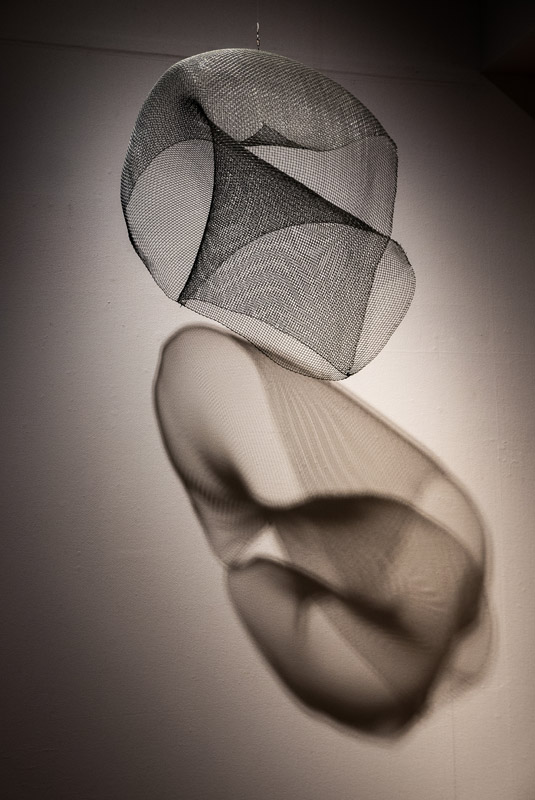
Several years have passed since the artist Bruno Munari was rediscovered and the re-evaluation of his work has been taking place since then. Not long ago, the Milanese artist was essentially known as a designer, an author of books and creative labs. Few people considered his artistic complexity. Since 2012, however, with the exhibition at the Estorick Collection  new London, where his past as an exponent of futurism was explored, there has been a greater focus on his work. The Centre Pompidou in Paris purchased “talking forks”, “travelling sculptures”, “xero-portraits” and “useless machines” to include in its collections. Recently, in New York, his work was the focus of a retrospective exhibition at the Andrew Kreps Gallery. An extended publication in English, curated by Professor Pierpaolo Antonello, who teaches at Cambridge (UK), has collected a number of essays written by academics who work in some of the world’s most prestigious universities, which reveals how much interest researchers, particularly in the Anglo Saxon world, still have in Munari’s work. Now it is Japan’s turn, Munari’s second home, based on how much he was inspired by Japanese classical culture. Four Japanese Museums have dedicated a retrospective to Bruno Munari, including over 300 works. The last show opened in November at the Setagaya Museum in Tokyo. This itinerant exhibition, supported by Yomiuri Shimbun, the best-selling newspaper in Japan, involved four years of work and a considerable amount of travelling. These were four years well spent judging on the outcome – the best, the most fluid and exciting exhibition, and the least dispersive, presented in recent years.
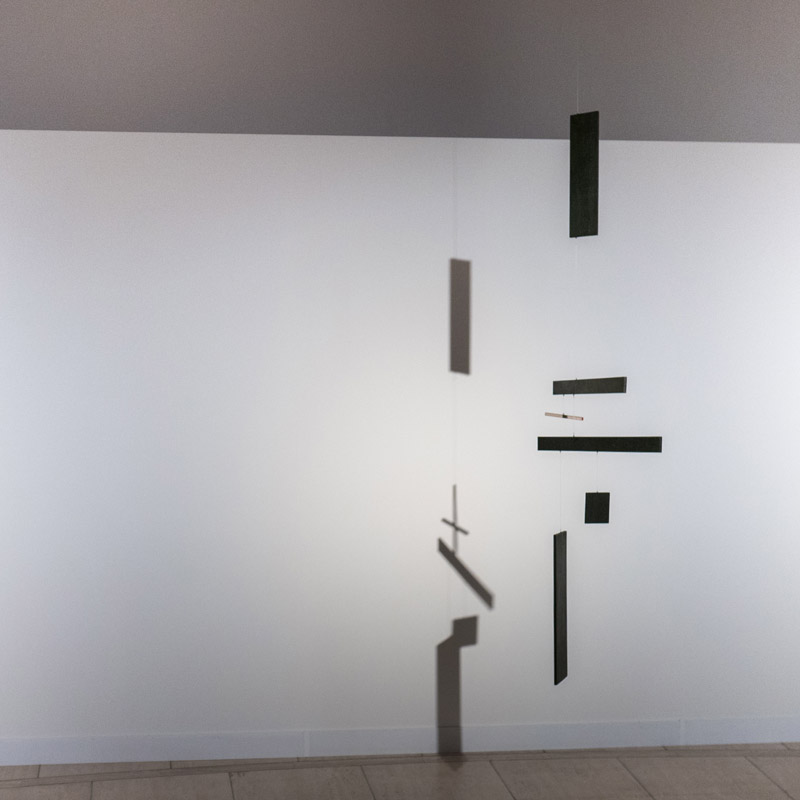
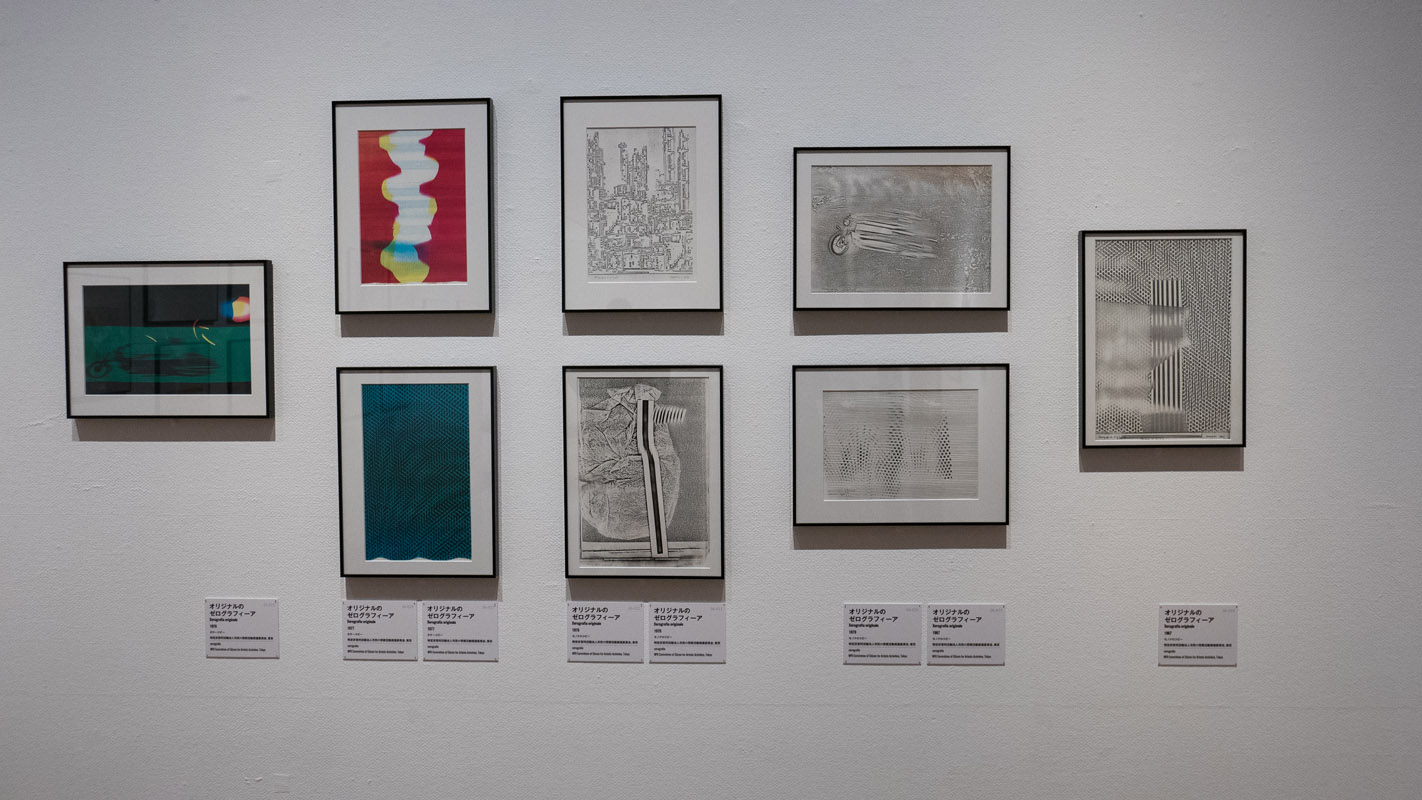
Munari’s relationship with Japan is long-standing, dating back to the early 1950s when he was invited to show his “direct projections”, a kind of video-installation ante-litteram. His first significant event, however, took place in 1965 with a solo exhibition at the Isetan stores in Tokyo, where Munari displayed his “original xerographies” for the first time – the product of aesthetic research on the creative use of photocopying machines. This experimentation would later be formalised at the Venice Biennale of 1970, through an edited volume of Rank Xerox. In Tokyo, on the occasion of this exhibition, Munari designed a beautiful “illegible book in black and white” and a “five-drops fountain”, the latter work representing a comprehensive outline of his thought, which led the newspapers of the time to declare Munari as fully encompassing the spirit of zen. Nobody, as far as we know, has ever created such a poetic visual and sound environment, using five random drops, falling into an illuminated pool of water enriched with underwater microphones. It is unclear why there are no permanent museums in Italy dedicated to artists such as Munari and Marinetti – the Italian “Warhol before Warhol”, as the New York Times recently wrote – or even other important artists.It is one of the many foolishness that makes our country so incomprehensible. In 1985, Munari returned to Tokyo with another important exhibition at the National Children’s Castle of Shibuya where, for the occasion, he left several works to various public collections. It is precisely from this body of bequeathed works, and with the supervision of Kiyoshi Iwasaki, curator of the 1985 exhibition, that the Setagaya staff, coordinated by Noda Naotoshi, developed the current project which has pleasantly surprised us.
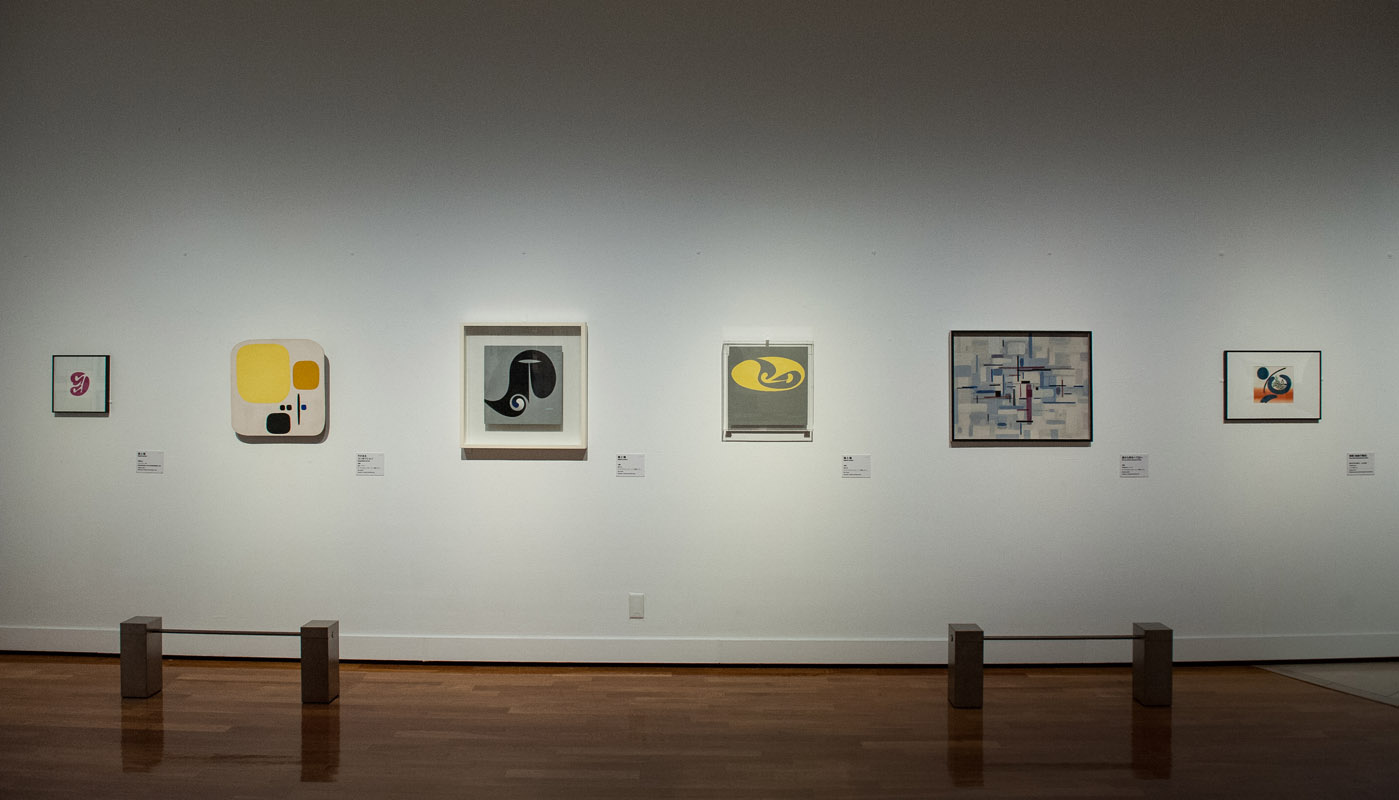
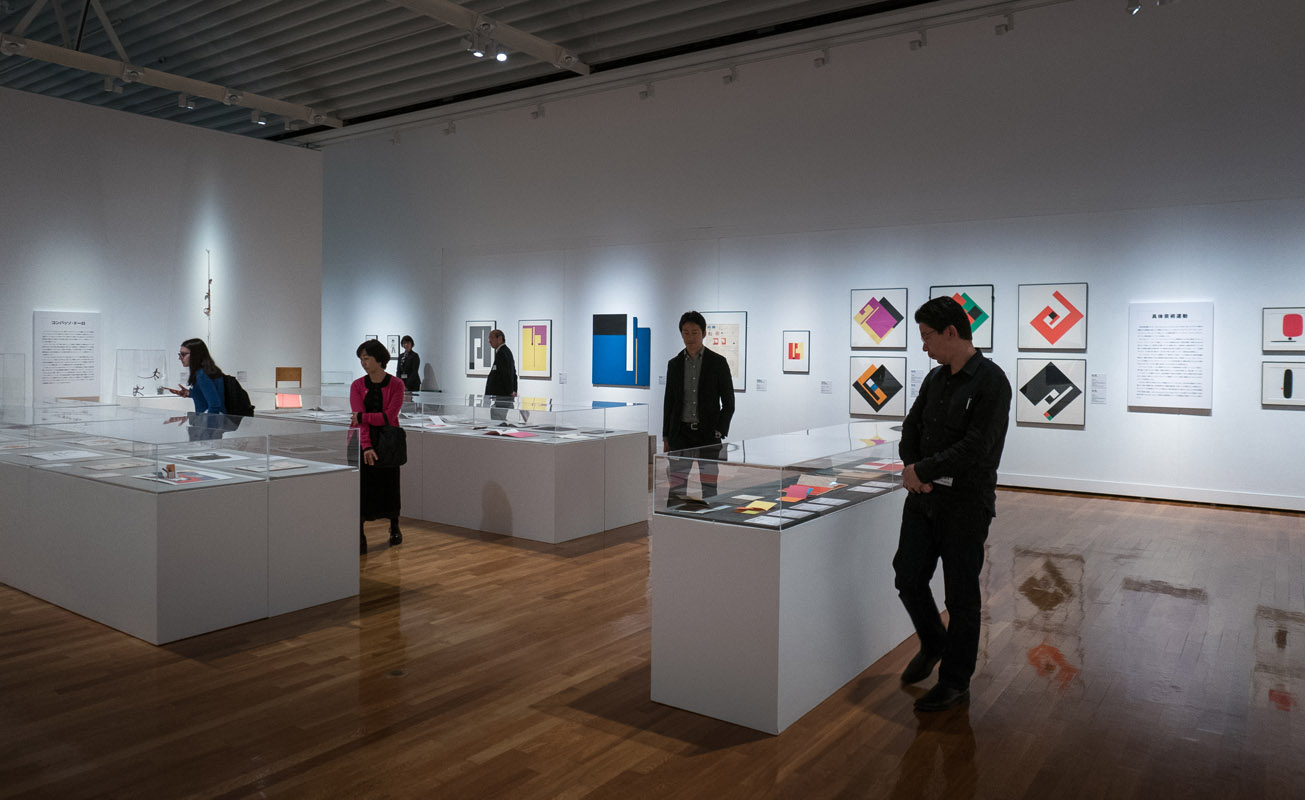
Setagaya is a peaceful residential district. Walking along its streets, apparently peripherals, is an enjoyable experience. The museum is in the middle of a large park and has a cement structure, which offers open spaces that can easily be adapted. As a result of these features, the Munari exhibition allows visitors to move naturally from an overall view to the details of each single work (every room represents a theme described through a cluster of works). The open communicating rooms do not force a structured itinerary on visitors, leaving them to move freely, guided solely by their curiosity. The exhibition’s suggested themes are purposefully described through a multiplicity of works and forms. This is a way to represent Munari’s work without impositions of any kind, intended to stimulate curiosity in utter freedom. One of the highlights, for its historical significance, is a sequence of “polarized projections” from the 1950s, where the Polaroid filter is used to create infinitely variable images. An entire room is dedicated to the digitisation process of this work, the only “closed” environment in an otherwise open-structure exhibition. Suggested concepts are developed through works that are able to coherently represent a poetic thought only when grouped together. These thoughts are naturally multi-formed, typical of artists who observe things from different perspectives. This methodological approach, expressed through the creation of a variety of forms, is perhaps the most relevant message to be gained from the artist’s legacy.
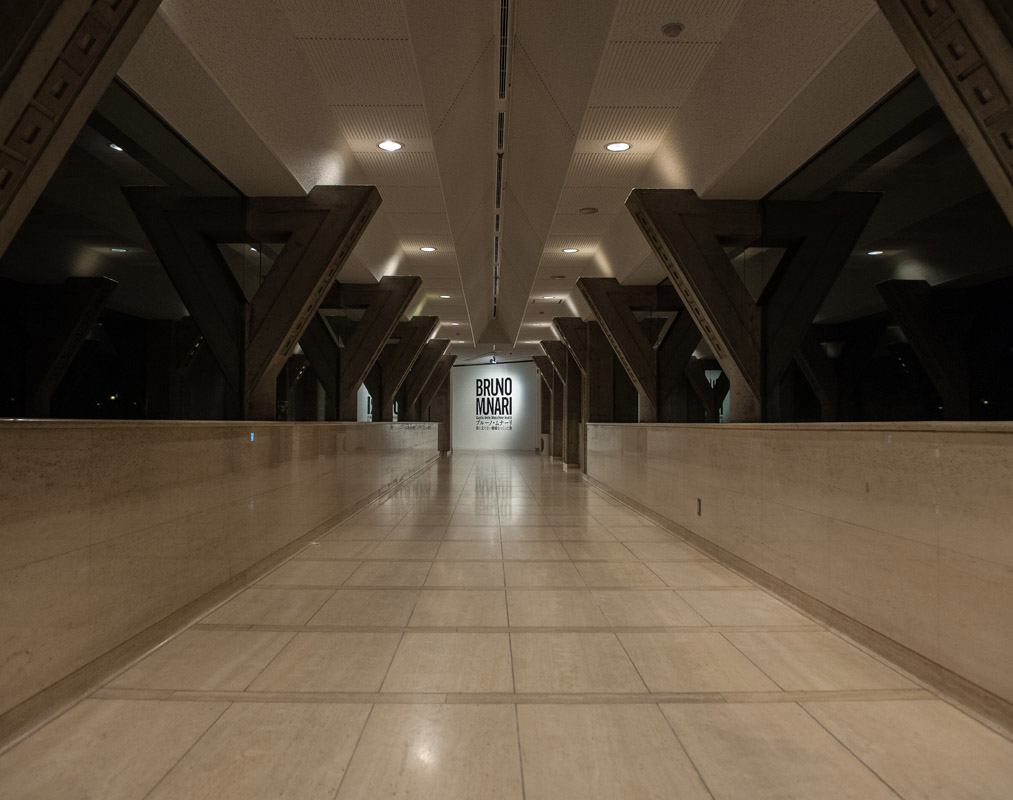
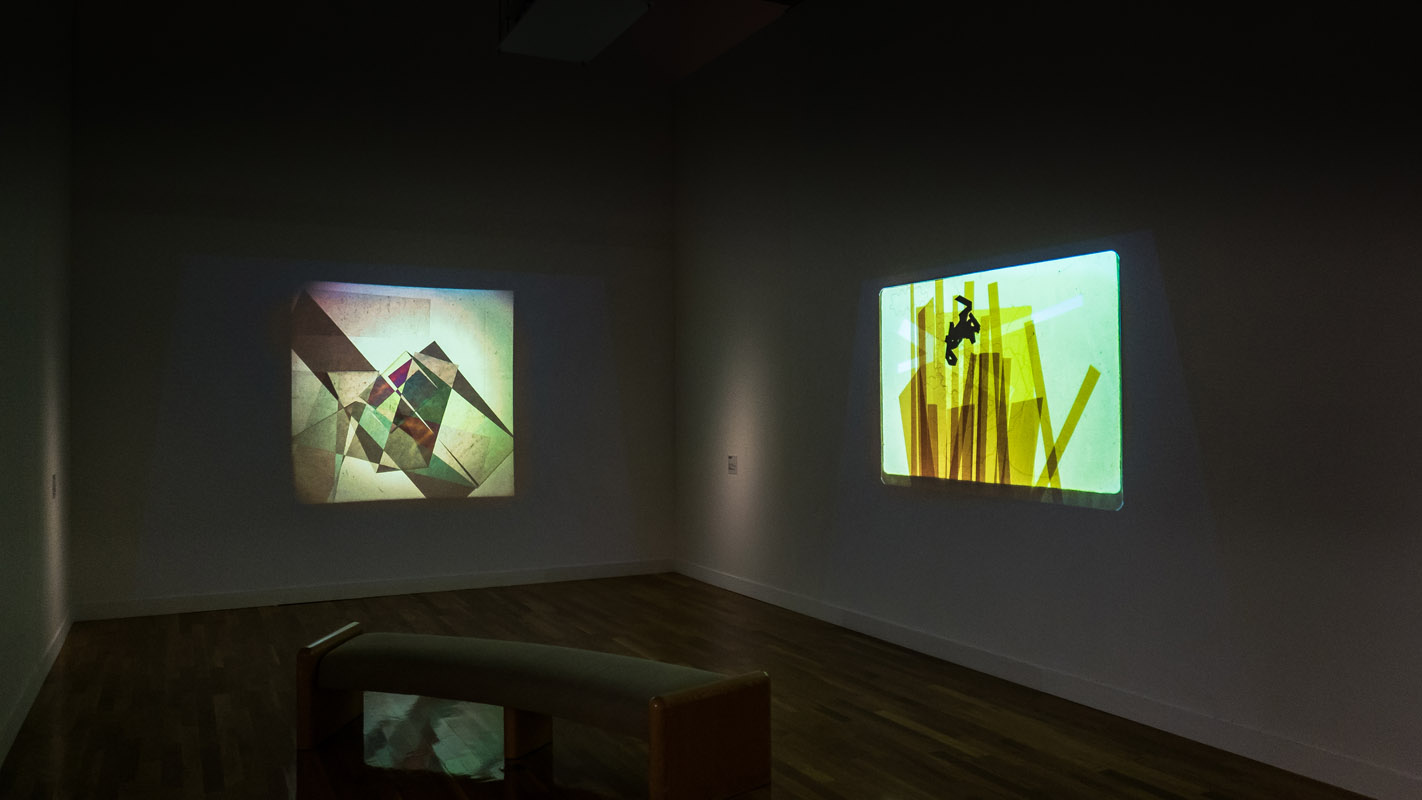
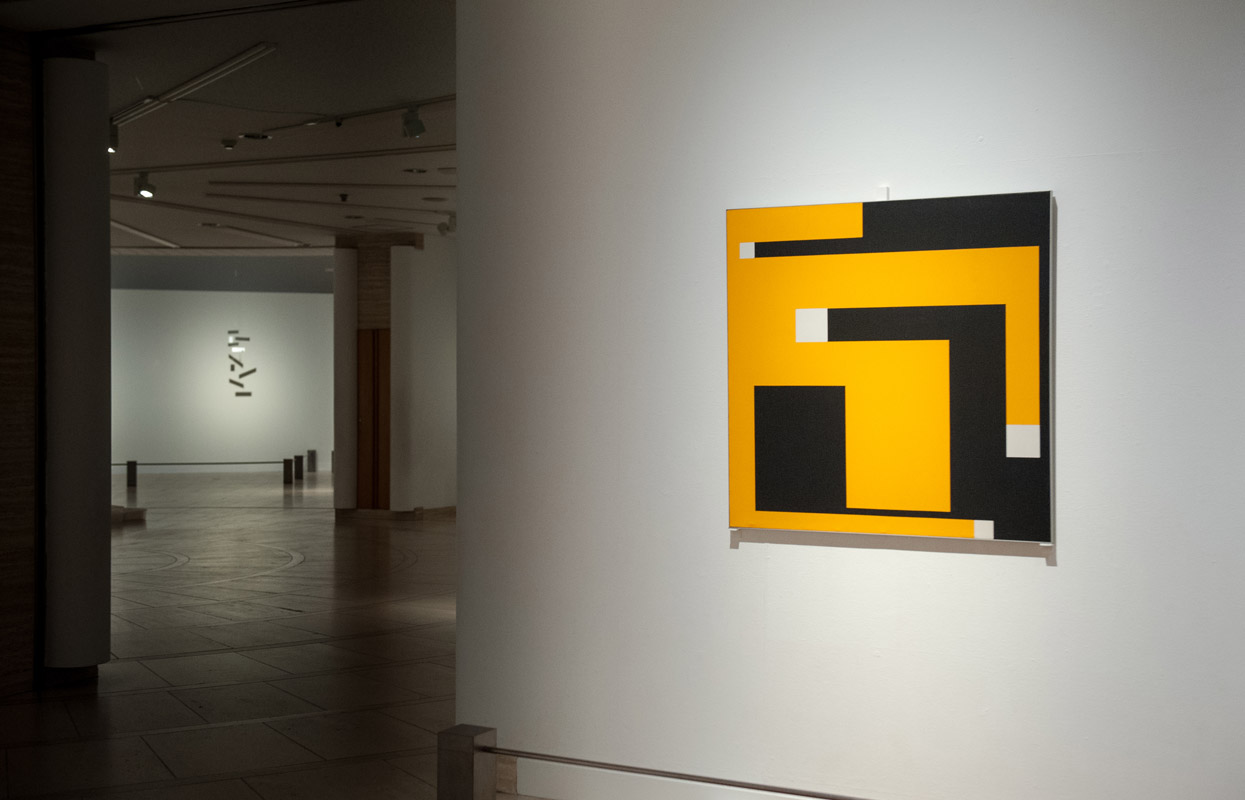
Bruno Munari. The Man who Made the Useless Machine, Setagaya Art Museum, Kawasaki, 17.11.2018 – 27.01.2019

images: «Bruno Munari. The Man who Made the Useless Machine», Setagaya Art Museum, Tokyo, exhibition view, photo: Pierangelo Parimbelli

Tags: arsBruno MunariexhibitioninstallationLuca Zaffarano
Share2TweetShareSend
Previous Post

FRAME > FOLLOW THE LEADERS

Next Post

VIDEO POST > The Shy Machine

Luca Zaffarano

Luca Zaffarano

Related Posts

Daniele Puppi. Ehi Lampu in Rome
exhibitions

Daniele Puppi. Ehi Lampu in Rome

by Elena Giulia Rossi
02/12/2025
Interview | C.I.R.C.E.
Focus

In dialogue with Abe Pazos Solatie

by Elena Giulia Rossi
27/11/2025

CALLS

Bill Fontana in San Peter’s Basilica
Calls

MA in History and Critical Thinking (HCT)

11/11/2025
Open call: Agora, a Gathering of Art and Philosophy
Calls

Open call: Agora, a Gathering of Art and Philosophy

28/10/2025
Dialogues across the Seas 2018-2025
Calls

Dialogues across the Seas 2018-2025

05/09/2025
Open Call. ALTERLIFE 25
Calls

Open Call. ALTERLIFE 25

30/07/2025
https://www.arshake.com/special-project-banner/young-italian-artists/
Facebook Twitter Instagram

Arshake is a collaborative artistic project, blurring the borders between art, science and technology, information and production.

  • Focus
  • Video post
  • Frame
  • Special Project
  • Interview
  • Calls
  • Exhibitions

One more step - Check your email and click the confirmation link

© 2024 – ARSHAKE

Welcome Back!

Login to your account below

Forgotten Password?

Retrieve your password

Please enter your username or email address to reset your password.

Log In
Gestisci Consenso Cookie
Per fornire le migliori esperienze, utilizziamo tecnologie come i cookie per memorizzare e/o accedere alle informazioni del dispositivo. Il consenso a queste tecnologie ci permetterà di elaborare dati come il comportamento di navigazione o ID unici su questo sito. Non acconsentire o ritirare il consenso può influire negativamente su alcune caratteristiche e funzioni.
Funzionale Always active
L'archiviazione tecnica o l'accesso sono strettamente necessari al fine legittimo di consentire l'uso di un servizio specifico esplicitamente richiesto dall'abbonato o dall'utente, o al solo scopo di effettuare la trasmissione di una comunicazione su una rete di comunicazione elettronica.
Preferenze
L'archiviazione tecnica o l'accesso sono necessari per lo scopo legittimo di memorizzare le preferenze che non sono richieste dall'abbonato o dall'utente.
Statistiche
L'archiviazione tecnica o l'accesso che viene utilizzato esclusivamente per scopi statistici. L'archiviazione tecnica o l'accesso che viene utilizzato esclusivamente per scopi statistici anonimi. Senza un mandato di comparizione, una conformità volontaria da parte del vostro Fornitore di Servizi Internet, o ulteriori registrazioni da parte di terzi, le informazioni memorizzate o recuperate per questo scopo da sole non possono di solito essere utilizzate per l'identificazione.
Marketing
L'archiviazione tecnica o l'accesso sono necessari per creare profili di utenti per inviare pubblicità, o per tracciare l'utente su un sito web o su diversi siti web per scopi di marketing simili.
  • Manage options
  • Manage services
  • Manage {vendor_count} vendors
  • Read more about these purposes
Visualizza le preferenze
  • {title}
  • {title}
  • {title}
No Result
View All Result
  • ABOUT US
    • ABOUT US
    • PROJECT
    • MEDIA/PARTNERSHIPS
    • CONTACT US
  • FOCUS
  • FRAME
  • VIDEO POST
  • SPECIAL PROJECT
    • ARSHAKE’S BANNER
    • CRITICAL GROUNDS
    • YOUNG ITALIAN ARTISTS
    • GAME OVER
    • GAME OVER • Loading
    • EXTERNAL PROJECTS
      • BACKSTAGE | ONSTAGE
      • PERCORSI • 6 years of the Terna Prize
      • TEMPO IMPERFETTO
  • RESOURCES
    • ARCHIVE
    • CALLS
    • ONLINE RESOUCES

© 2024 – ARSHAKE

This website uses cookies. By continuing to use this website you are giving consent to cookies being used. Visit our Privacy and Cookie Policy.