


Eva Kekou interviews Brandon LaBelle, internationally recognised artist, writer and theorist working with questions of social life, cultural history, voice and agency. While discussing on many themes, such as listening as a means of resistance, and the notion of embodiment in a globalised context, Labelle talks about one of is recent works, The Imaginary Republic.
Eva Kekou: “….In a world where visual cultural is a dominant element”, could you please tell us how listening can create new ways of resistance in a globalised context?
Brandon LaBelle: It is my feeling that listening can be extremely transformative. If we understand listening as a gesture of bringing attention to things, to each other, and even to oneself – listening as an intensification – it acts to give support and to nurture greater awareness and understanding, yet in a way that also complicates what it means to know (listening connects, but in doing so, it also interrupts: it is a lateral movement, a drifting as well as a concentration). Listening extends beyond the visible, the articulated, even the human. In this sense, listening can function as a means for attending to the unspoken, the missing, or the held back; to draw out a time and space of concern and consideration in which the repressed or the underheard can be addressed, given room, made to resound. So we might think of listening as something that creates a “holding environment” – a pause, a hesitation, a waiting: to open a time and space for the emergent, which is always dangerous (beautiful, but dangerous).
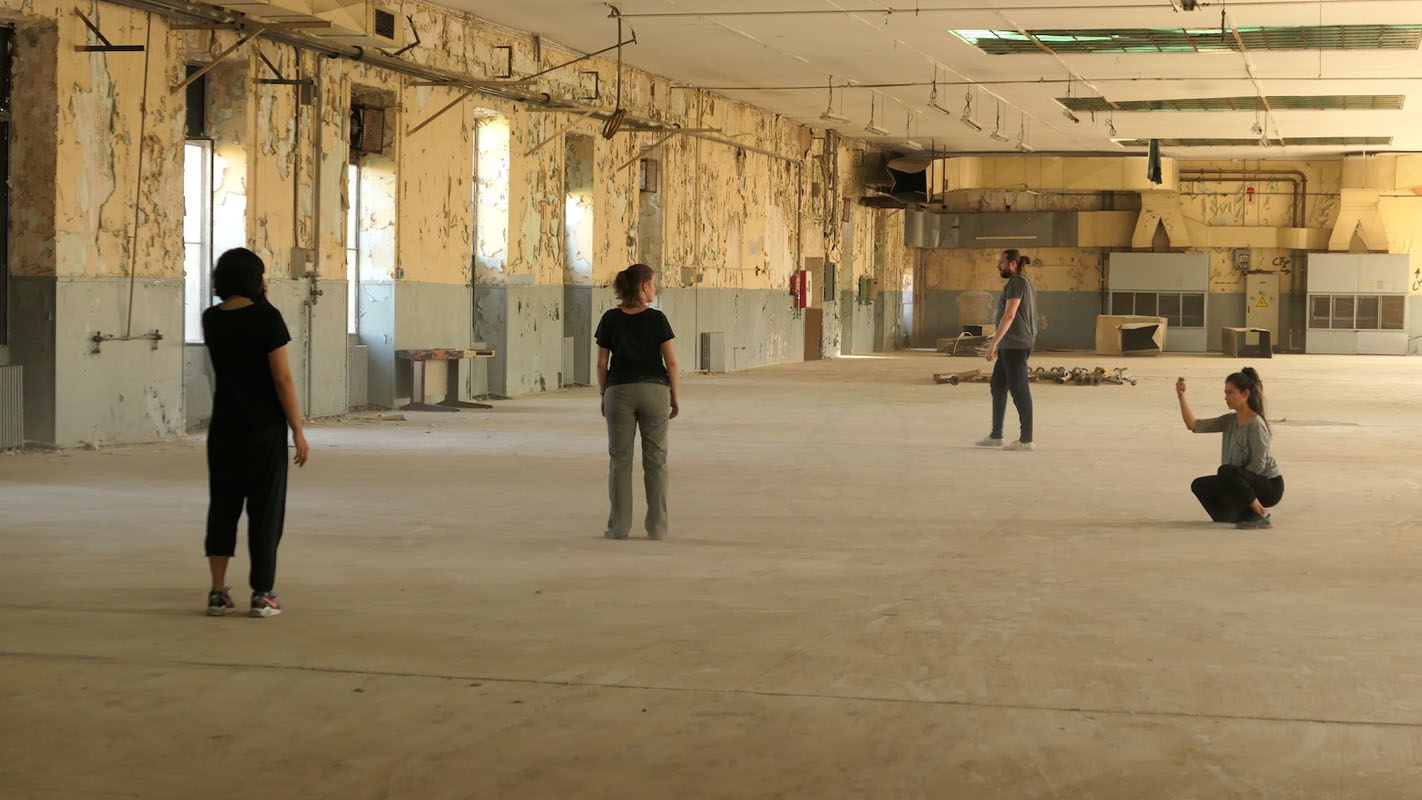
This is very much a collaborative process, for in listening one extends to others – listening is only ever a listening to others. So it can be incredibly supportive in terms of nurturing understanding and acknowledgement, especially for that which may never fully enter language, or is held back or down. This is not to underestimate the degree to which listening is a power, even a demand: listening can also insist on accountability, answerability; it is also deeply interruptive – it can also arrest the circulation of voices and views. All of these perspectives become suggestive for thinking how listening may lend to acts of resistance, transformation, especially within our globalized conditions, which fully stress our capacities for care, generosity, attention, for non-production. Listening, to my mind, can enable a slow approach, a lateral approach, which might be part of its potential intervention within our contemporary state of catastrophe: to upset the hyper-transactional biopolitics today – to help us exit.
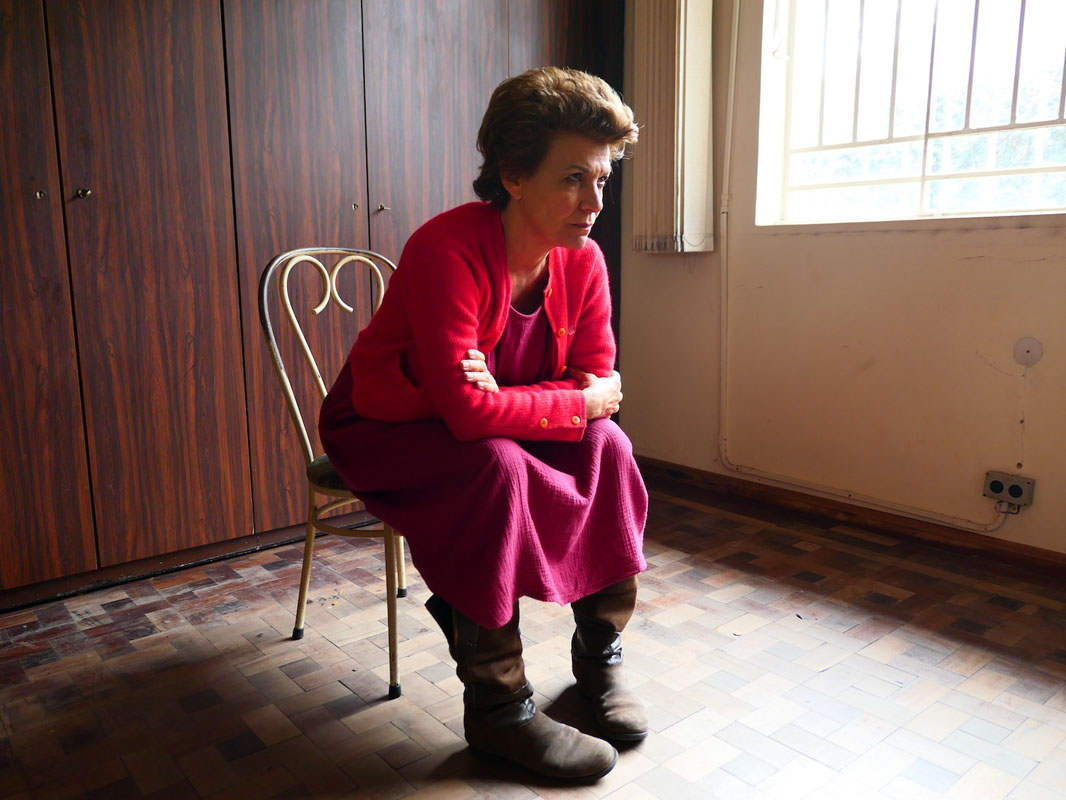
Why this is an imperative in our days, if so?
In a recent collection of essays by Silvia Federici, the author gives an important view onto experiences of contemporary capitalism, and especially how it impacts onto our bodies. “Indeed, one of capitalism’s main social tasks from its beginning to the present has been the transformation of our energies and corporeal powers into labor powers.”[1] Transforming or capturing the body as a holistic, sensual power by way of a range of technical, mechanical, and scientific projects throughout the history of capitalism, from Taylorism and mechanization to computational and genetic models that figure the body as so many atomized parts or code requiring continual regulation, if not “improvement”, for Federici indexes the constant need to reclaim the body. As she argues: “Our struggle then must begin with the reappropriation of our body, the revaluation and rediscovery of its capacity for resistance, and expansion and celebration of its powers, individual and collective.”[2] To reclaim and celebrate the body is to honor much of its inherent power, of sensuality and knowing, of moving and creating; a deeply energetic, procreative intelligence that, following Federici, is central in struggles against exploitation and the drive for a more egalitarian world. In her essay, Federici finally argues for the importance of listening, how listening is actually key to reclaiming the body: “we must learn to listen to the body” Federici says, in order to recapture its inherent power. The way that she poses listening as an emancipatory or transformative gesture is extremely suggestive.

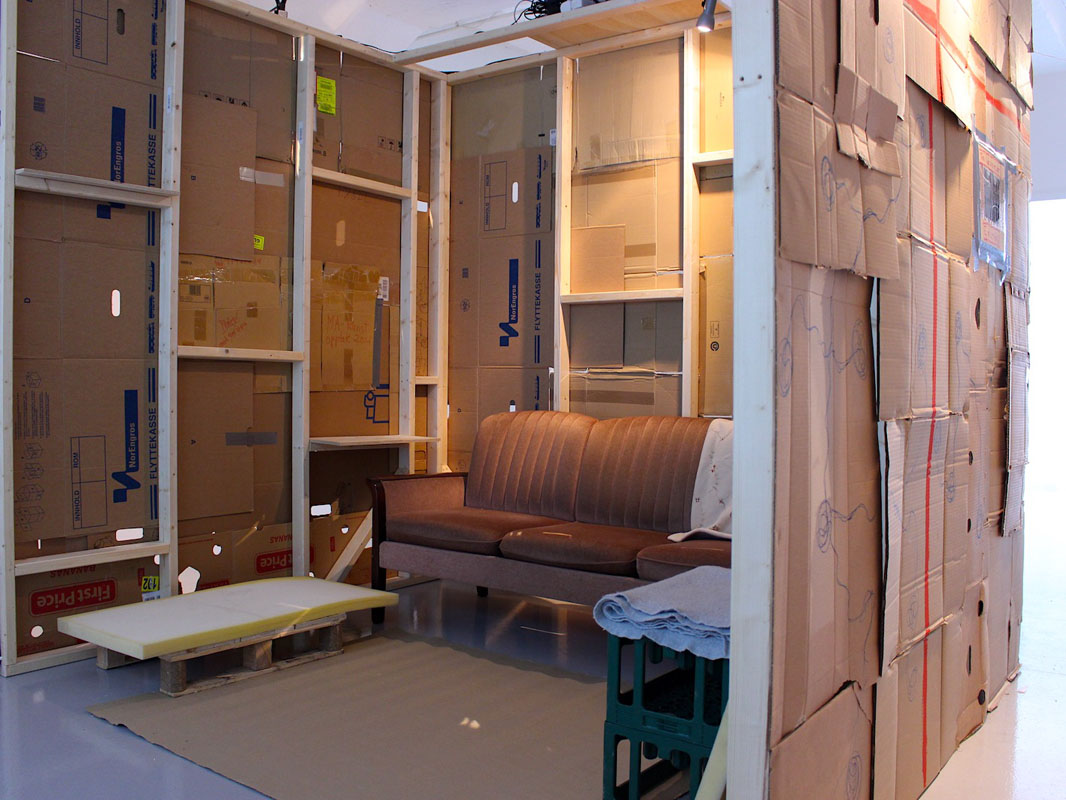
Which practises enacted by sound can recreate a networked society and in which direction?
In looking at Federici’s proposal, I do wonder then how listening to the body, for example, can take place? What kind of listening is this, and how do we practice it, as a form of listening distinct from others? What I want to take from Federici is not only that listening to the body can help in reclaiming it as a holistic power, but more: that in listening to “the body” I’m also attending to the ways in which my body is never only mine; rather, in listening we come to recognize and to draw attention to the deeper interdependencies and bonds that support our bodies, bonds that are never only social, or familial, but are fundamentally planetary, elemental, chemical – that are also never fully capturable or knowable. The holistic power Federici points at needs to be captured in an extremely “wild” sense, in terms of the body never only being human or recognizable. In listening to the body I think it becomes clear that I am not my body – the body is always greater than myself. Listening to the body might be to work at practicing our interdependencies as material, biological, and affective capacities, as well as things that will always interrupt me: interdependency is not a smooth affair. Listening, in this way, is not only about receiving, or harmonizing, but also about actively attending to the demands and the joys of relationships, of recognizing oneself, one’s body as part of a larger ecology of experiences and entities, from the intuitions of the gut, the viral life-forms, and chemical ecologies defining the blood, to the desires, imaginations, and memories underpinning one’s contact with others. Developing or thinking through “practices of sound” might be to work at the limits of listening – to extend listening as a capacity, a monstrous capacity, as something that requires a type of research, an activism, a considered doing: listening as a risk that one must take. Mobilizing and manifesting different practices of sound, from the vibrational to the rhythmic, the infra- to the ultra-sonic, the consonant to the dissonant, might be to experiment not only with sonic matter, but with how far listening can take us.
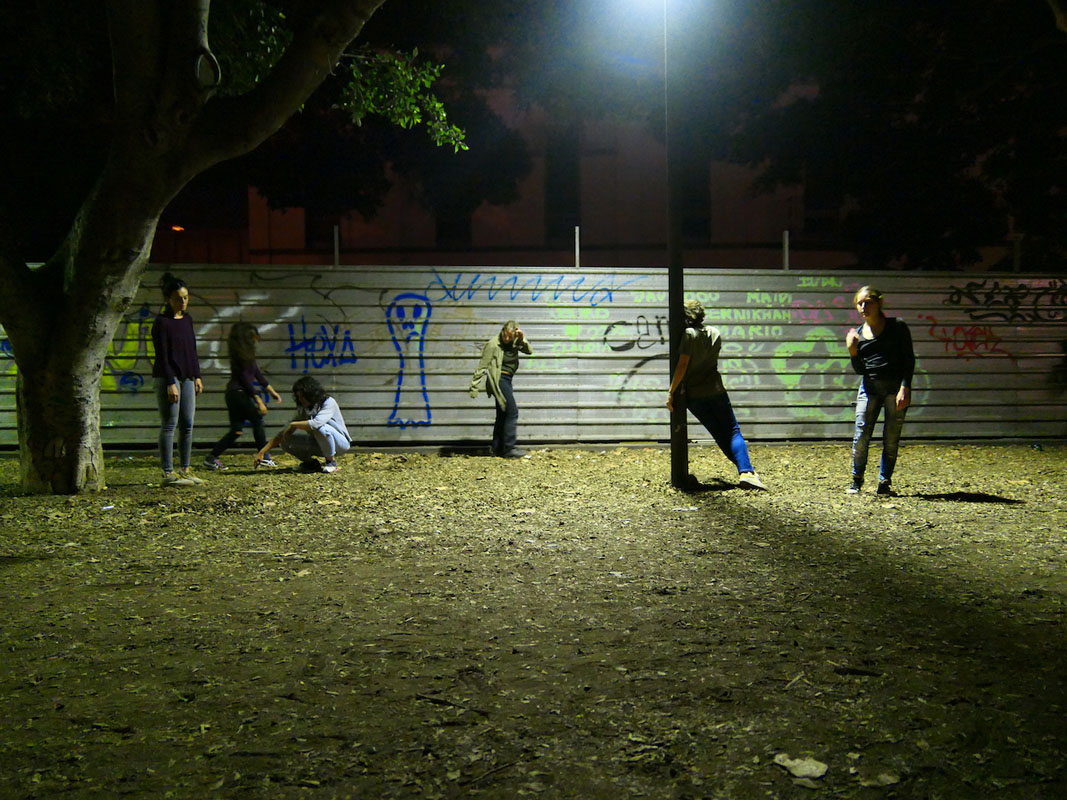
In which ways sound can recreate the notion of embodiment in a globalised context?
Such practices of sound certainly impact onto understandings and experiences of embodiment. Returning to Federici, listening to the body already suggests that the body is a type of acoustic dimension, an acoustic chamber whose resonances, metabolism, or power is something to be crafted: the body as a craft, not in terms of bioengineering, but more according to manners of living, manners of breathing – the diverse doings, biological processes, ethical positions, relational intensities that figure us culturally, materially. Listening to the body seems to suggest that the body is open to recalibration, reorientation, configuration – in listening one attunes to this thing called the body; one attends and follows the body, in the figuring of positions, behaviors, gestures, conversations. I might say, one starts to collaborate with the body. In this regard, I’m more curious to think about “acoustics” rather than “sound” – to think about the acoustic arrangements and constructs we might make to enable the articulations and movements of listening, of relationships, the powers of attention, especially in terms of capturing coalitional possibilities. I think an acoustic awareness, an acoustic engagement is about creating conditions for listening to take place; this might be seen as a form of hospitality, for example, an acoustic crafting that welcomes, that enables different voices and views to resound, that works at or interrupts particular forms of orientation. Or, that can give traction to the movement of certain rhythms, especially in terms of facilitating or challenging particular synchronizations or alignments. Acoustics as a support – what I might call: acoustic welfare (in contrast to sonic warfare).
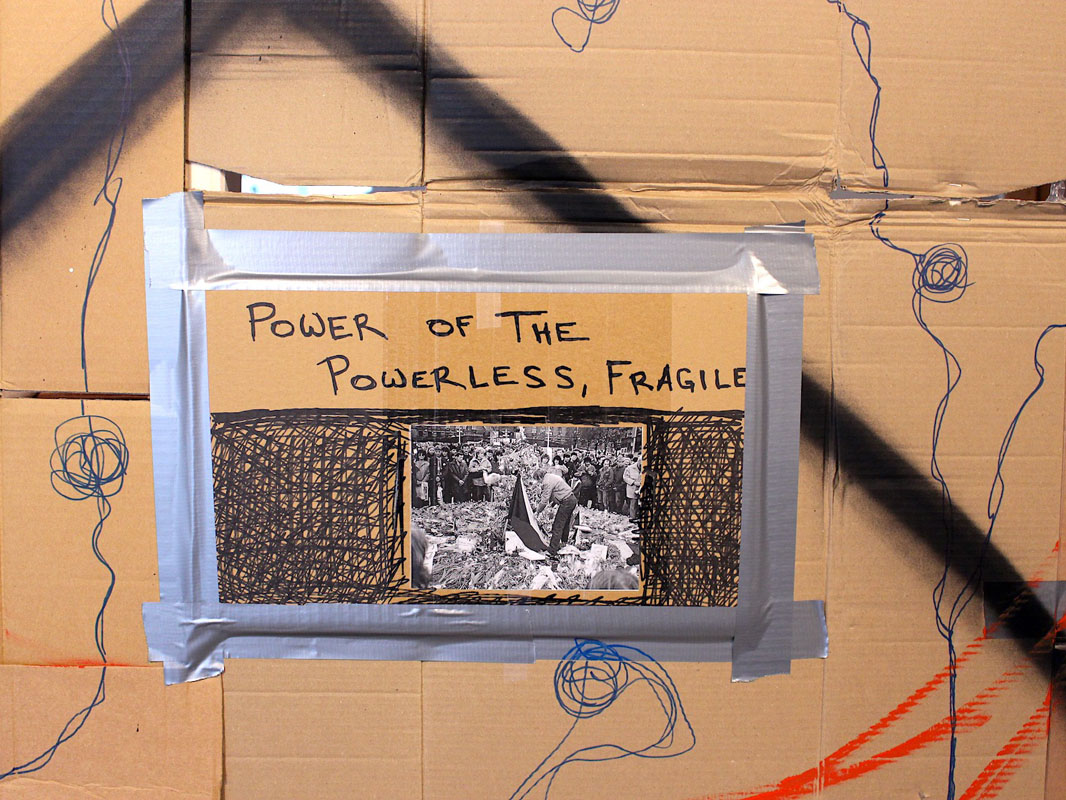
Which has been your experience as an artist in the participatory forms of art – in which ways audience responds individually, as a body of interaction and collectivity in the context of a public or urban project. Is the urge for activism in an artistic context reshaped in the need of our days and if so, in which ways would you think?
I’ve mostly experienced very positive and edifying interactions with people when developing and presenting public projects. There are of course many challenges, in terms of negotiating the particular context, and in finding resources as well as ways of nurturing collaboration – I tend to approach public work through collaboration, involving other people in the process, and creating links with the local environment or community. This is essential to my overall approach, in terms of understanding the work as a generator of relationships, but this is not to overlook that often projects require a certain trespass: I think as an artist one has to have a certain courage, to overstep or to not shy away from confrontation. The question is to remain sensitive, to proceed in a responsive manner, more or less. For myself, I approach “activism” through a position of radical openness – the refusal to exclude. So I feel the work I’m doing, or trying to do, whether in more public situations, or more private, is driven by this attitude, which leads to a focus on fostering particular kinds of interactions, a speculative process, always following what may come forward along the way. For myself, I approach this less through a framework of “social engagement’, and more through an idea of “social fictioning”. In the end I think I’m doing a form of experimental theatre, where I set up a particular staging, a script, a poetic framework, which then acts to set people and things in motion. What emerges from such a process is then partly out of my hands, which is necessary, but I hope it may point toward a sense for the erotic power of shared life.
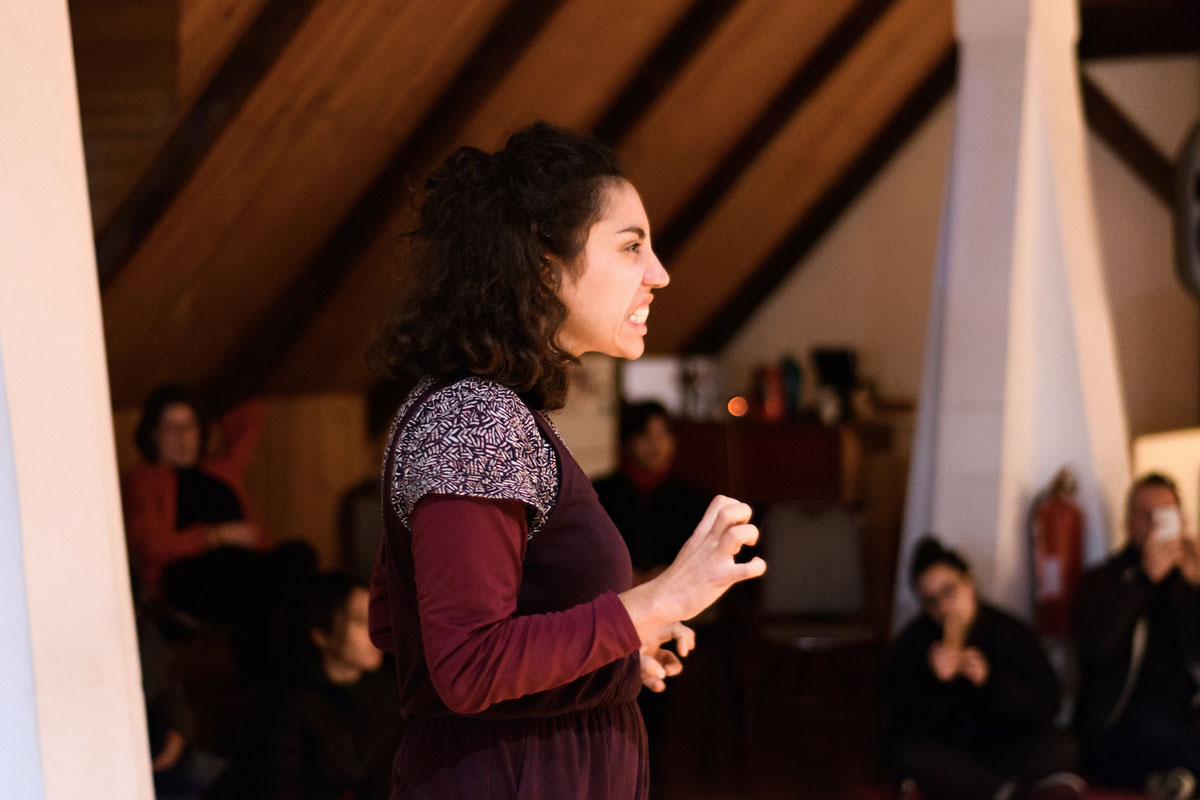
Which is the ‘Imaginary republic’ and why is this connected with the communities in movement in our globalised context?
I think the imaginary republic is to be found by way of the poetic: the poetic, as what Fred Moten calls, “the differential resistance to enclosure.” Poetics is a movement, it is movement, and it grabs what it can along the way; it creates, it invents connections, it is mad with vibrancy – and it spreads vibrancy as it goes. It is the very basis for the making of worlds, new languages, an impossible community. So I tend to think that poetics, as a deep relation to the imaginary, underpins forms of sociality, even organizational structures, politics, school. Because there is always imagination in the crafting of form, and at times, a rather restless imagination, especially in terms of emancipatory struggle. The Imaginary Republic, as a project I’ve been working on for some years in collaboration with many other artists, tries to capture this sense of poetics, and the world making gestures performed in order to institute networks of care, co-operative politics, self-organized centers, experimental pedagogies, radical festivity, hidden acts of hospitality and resistance, for example. I’m interested in this relationship, between poetics as a wild movement, and the instituting of social and collective structures, manners of living – to bring these together, to instate strange compositions. The Imaginary Republic tries to put into question the situations around us, giving room for wild gestures. This connects to what Dimitris Papadopoulos calls “ontological organizing” – that within scenes or situations of social movement, or collective organizing, we can identify a tendency towards world making activity; that social movements, for example, are not only based on frontal attacks onto an existing system, but equally the crafting and instituting of other behaviors, other ways of living that emerge in and around particular struggles. Ontological organizing might be thought of as a type of social fiction that one then moves to inhabit – the crafting of another narrative, which allows for articulating other ways of living.
[1] Silvia Federici, Beyond the Periphery of the Skin: Rethinking, Remaking, and Reclaiming the Body in Contemporary Capitalism (Oakland: PM Press, 2020), 120.
[2] Federici, 123.
images: (cover 1) Brandon LaBelle, «The Human Strike», 2018. Live presentation at The Anti Club, Quebec City, with Marc-Antoine Cloutier, Stéphanie Letarte, Fanny Levy, and Emmanuel Delly, and Avatar (2) Brandon LaBelle, «The Free Scene», 2017, La Tabacalera, Madrid. Movement research lab with Vicente Colomar, Annie Pui Ling Lok, Catalina Mahecha, África Clúa Nieto (3) Brandon LaBelle, «The Autonomous Odyssey (with Octavio Camargo)», 2018. Scene #5, filmed at unofficial theater space Sala 603, Curitiba, with Raquel Rizzo (4;5;7) Brandon LaBelle, «The Pirate Machine», 2016. As part of The Imaginary Republic, Tag Team, Bergen (6) Brandon LaBelle,«The Floating Citizen», 2018, TEA Tenerife Espacio de las Artes. With performers: Judit Mendoza Aguilar, Gabriela Alonzo, Sandra Simancas Punzón, Silvia Hernández Delgado, María Isabel Hernández Diaz, Paula Pérez Martín (8) Brandon LaBelle, «The Open Body», 2019. Live performance at the Museum of Solidarity, Santiago de Chile. Performer: Catalina Tello.